Original: $140.00
-65%$140.00
$49.00The Story
Specifications
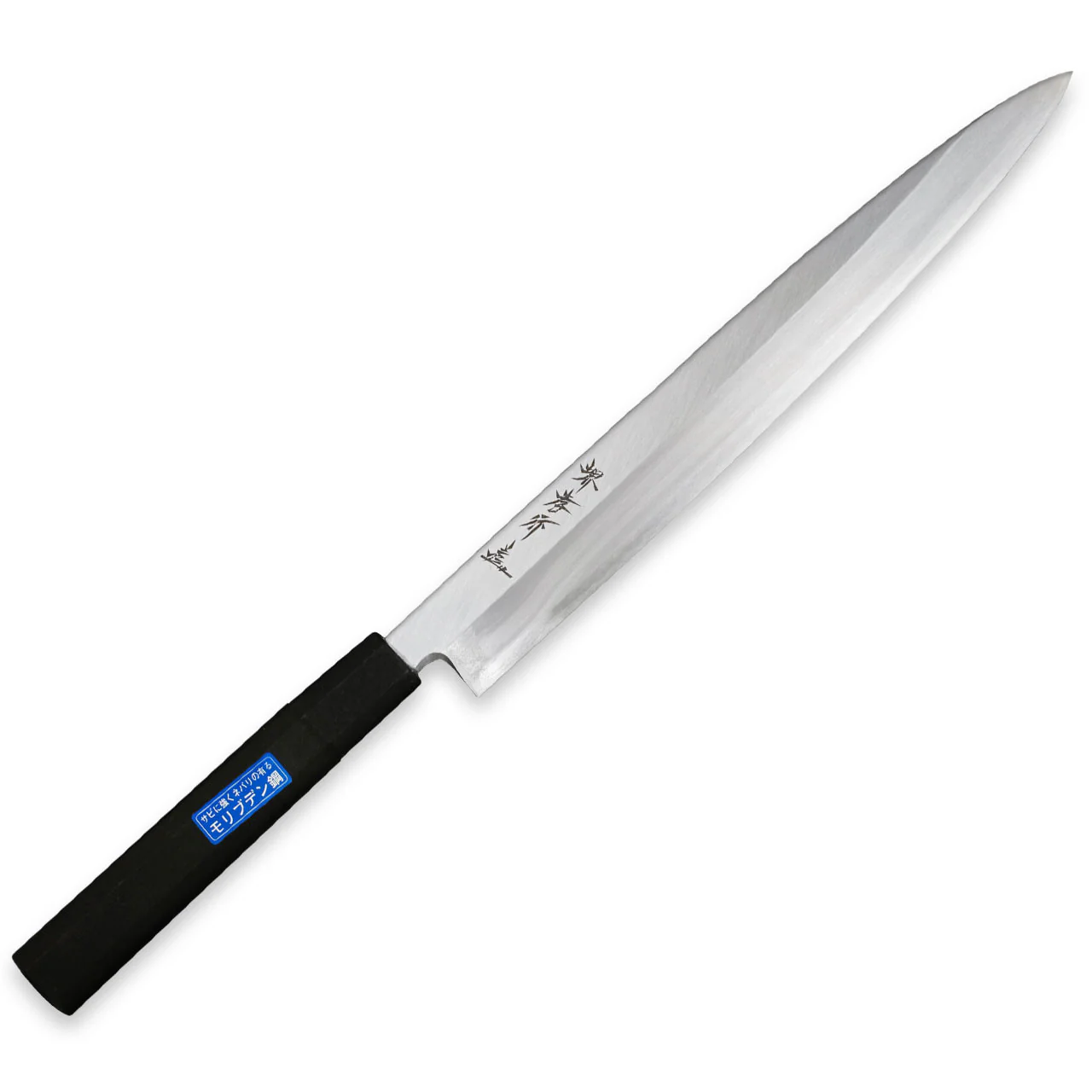
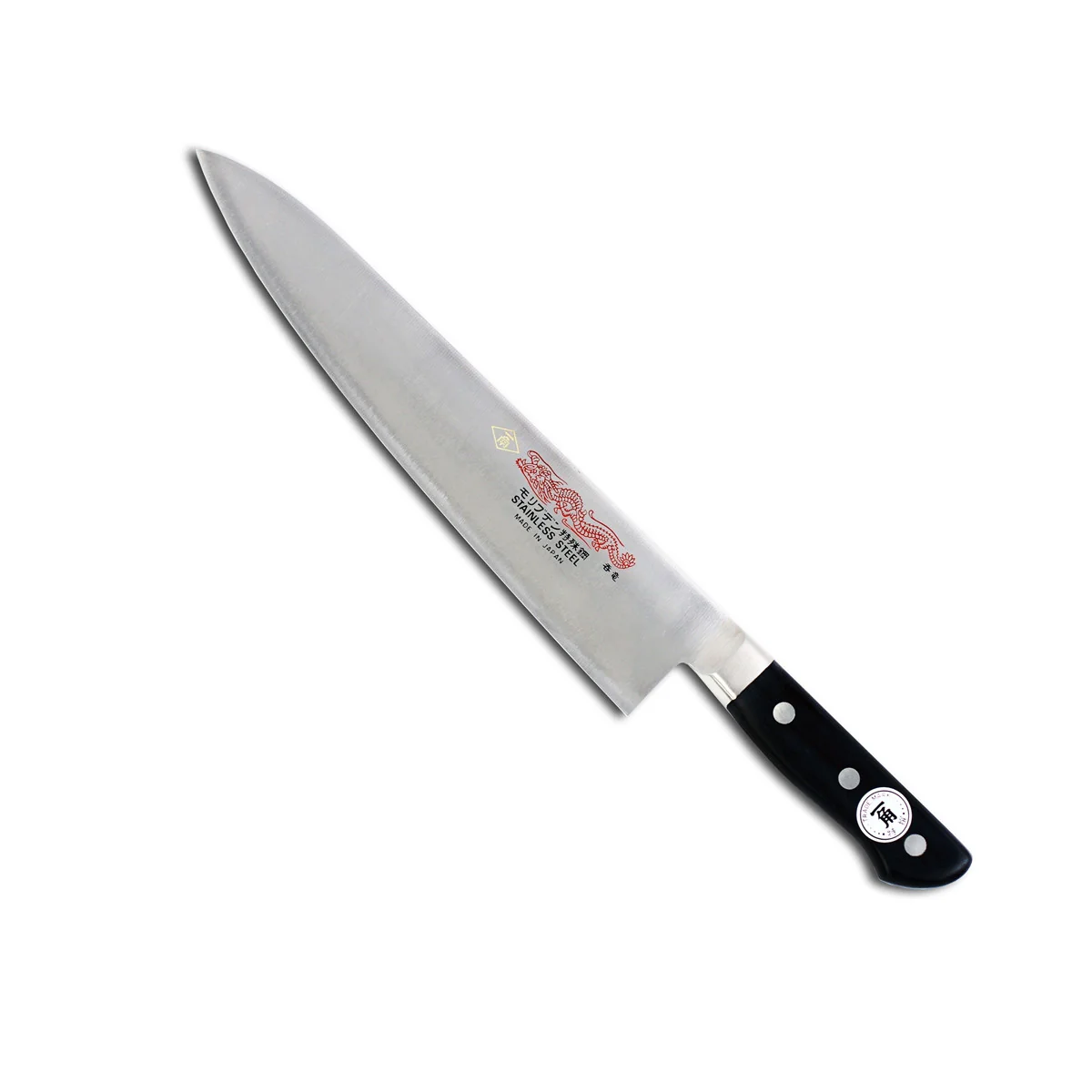
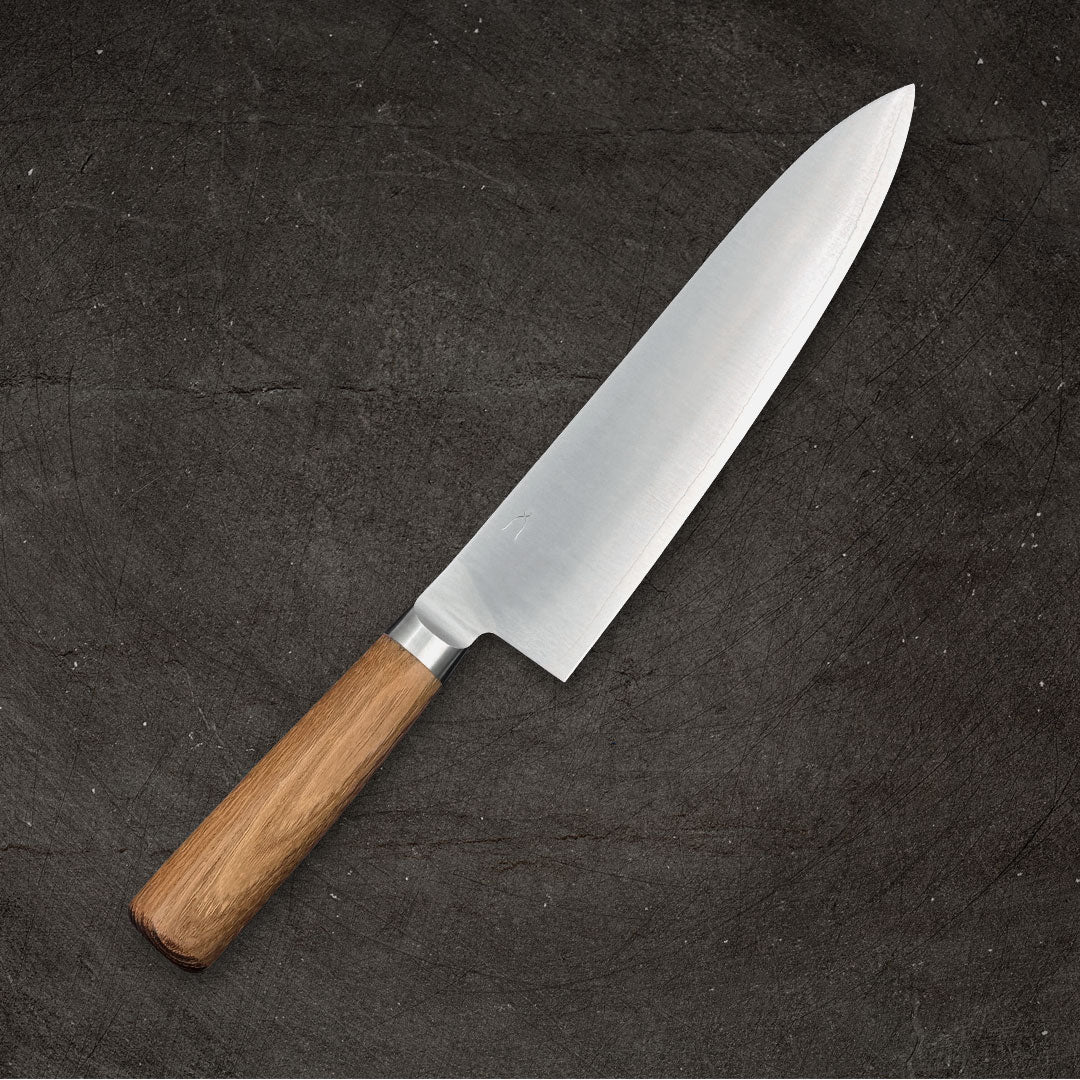
- Style: Gyuto (Chef) Knife
- Length: 210mm (8.2")
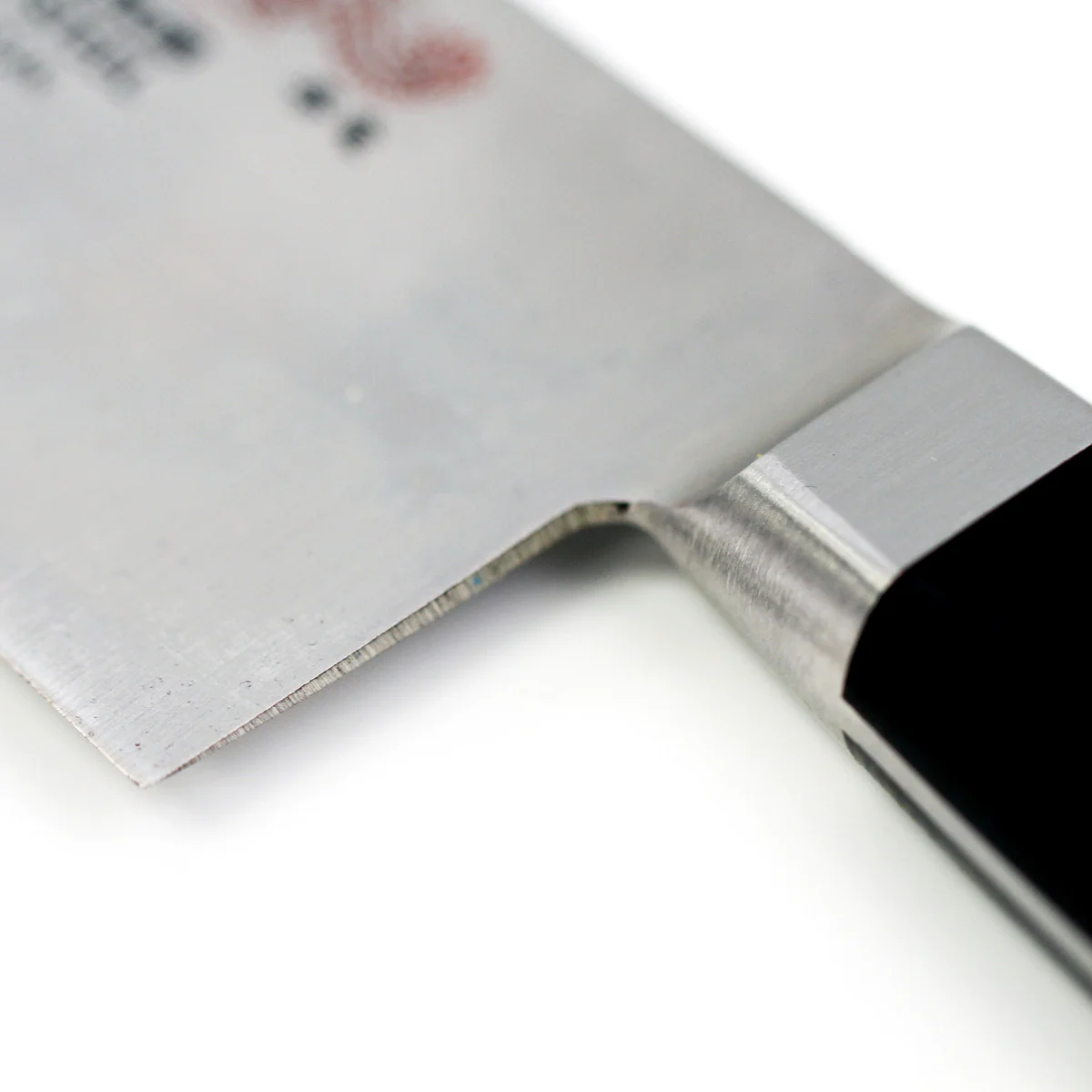
- Blade Steel Type: SLD Steel and Soft Stainless Steel Clad
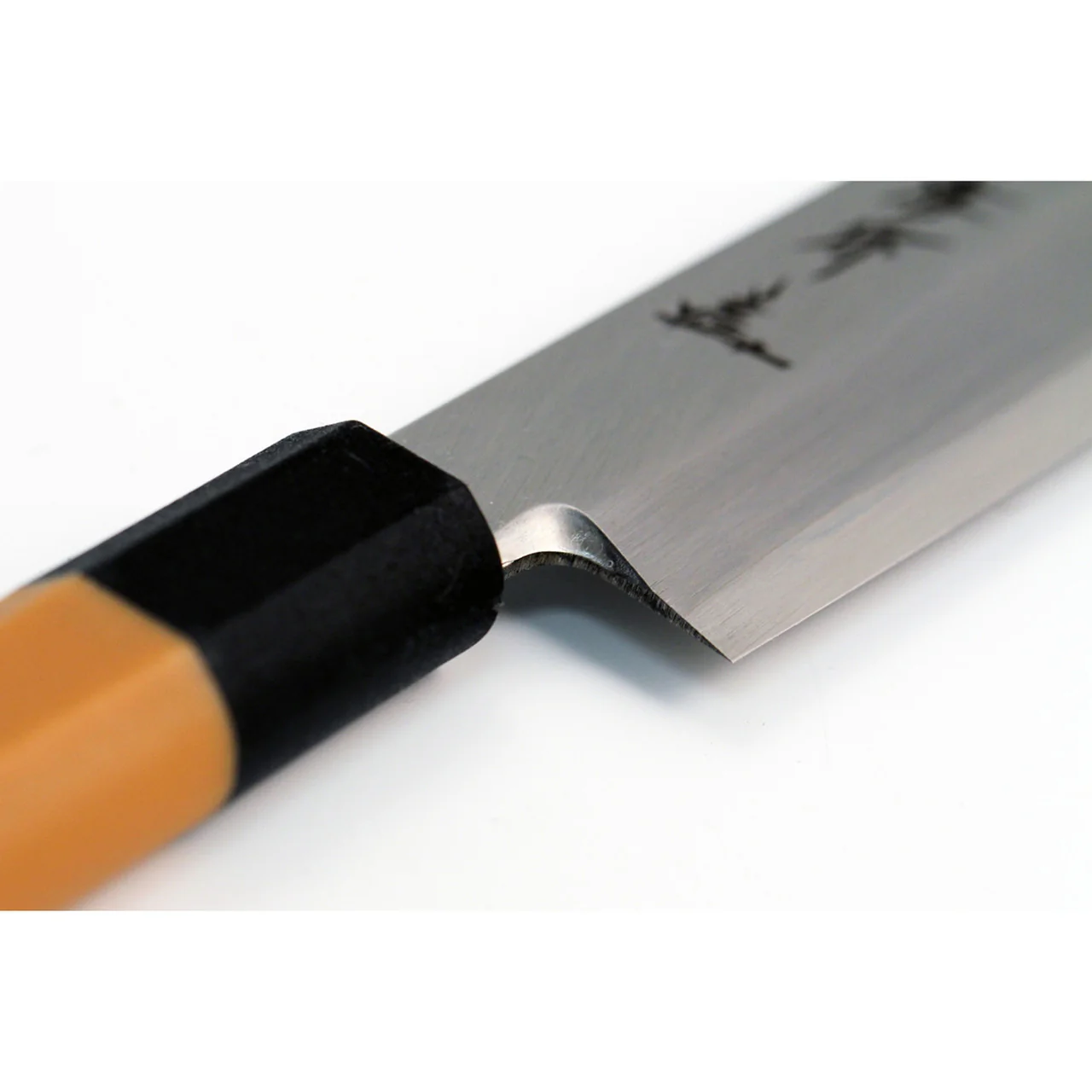
- Handle & Bolster Material: Carbonized Chestnuts with Metal ferrule.
- HRC: 60-62
- Bevel Angle Ratio: 50/50
- Cover: Not included
Blade Steel & Handle Material
The blade, made from Hitachi Metals' SLD steel, offers superior wear resistance and fine particle improvement. With 1.6% carbon, 13% chromium, 1% molybdenum, and 0.4% vanadium, it is classified as semi-stainless steel. This material balances durability and ease of sharpening, making it ideal for professional kitchens.
The handle is crafted from antibacterial carbonized wood, using Tadafusa’s patented technology. This material provides a comfortable grip and enhanced hygiene, perfect for kitchen use.
About Tadafusa Hocho Kobo
Sanjo, known as "a town of blacksmiths," is praised for its hardware production in Japan and beyond. Founded in 1948 in Sanjo City, Niigata Prefecture, Tadafusa boasts a rich heritage of craftsmanship and innovation.
The founder, Torasaburo Sone, began Tadafusa by making various knives, including sickles, short swords, and kitchen knives, using traditional forging techniques. Over time, he specialized in fishing and kitchen knives, as well as special knives for Soba.
Today, Tadayuki Sone, the third-generation president, upholds Sanjo's traditions while creating innovative products that reflect Tadafusa's commitment to quality and excellence.
About Gyuto Knife
The Gyuto (lit. Cow Sword) is an adaptation of the French chef knife profile for the Japanese market. While the name cow sword would imply that this knife is meant only for meat, its versatility is the same a Santoku and can be used as a general-purpose knife for any task. Many would consider a Gyuto or chef's knife to be the one essential knife for any kitchen with all other knives being secondary. Compared to a German-style chef's knife, a Gyuto will have a somewhat flatter profile: this profile lends itself well to push-cutting which is common for Japanese chefs, as opposed to rock-chopping. Gyuto also tend to be thinner at the edge as well as the spine than most European chef's knives and as a result, have less lateral toughness, and care should be taken not to torque the blade while cutting to minimize the risk of chipping.
Details & Craftsmanship
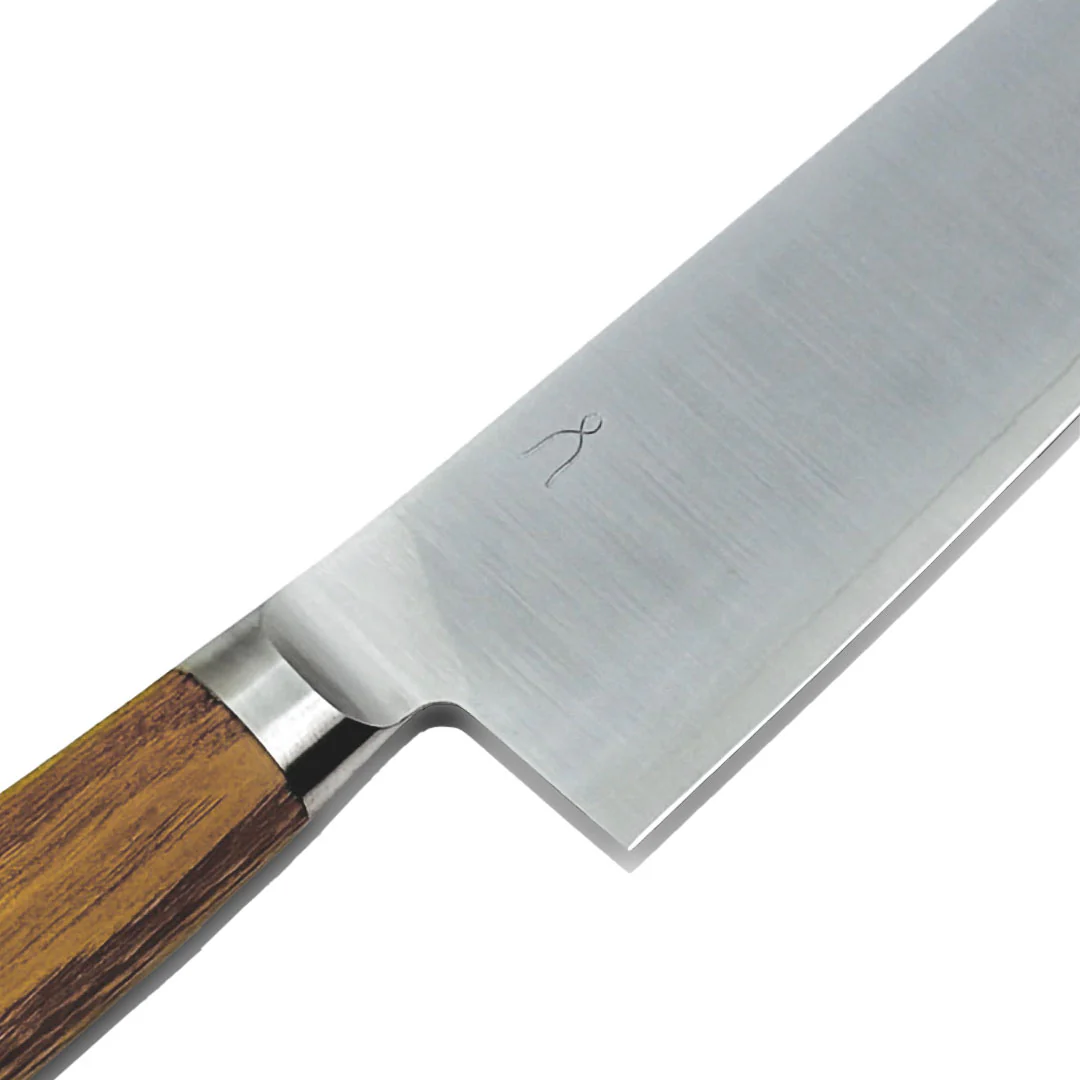
Every detail has been carefully considered to bring you the perfect product.
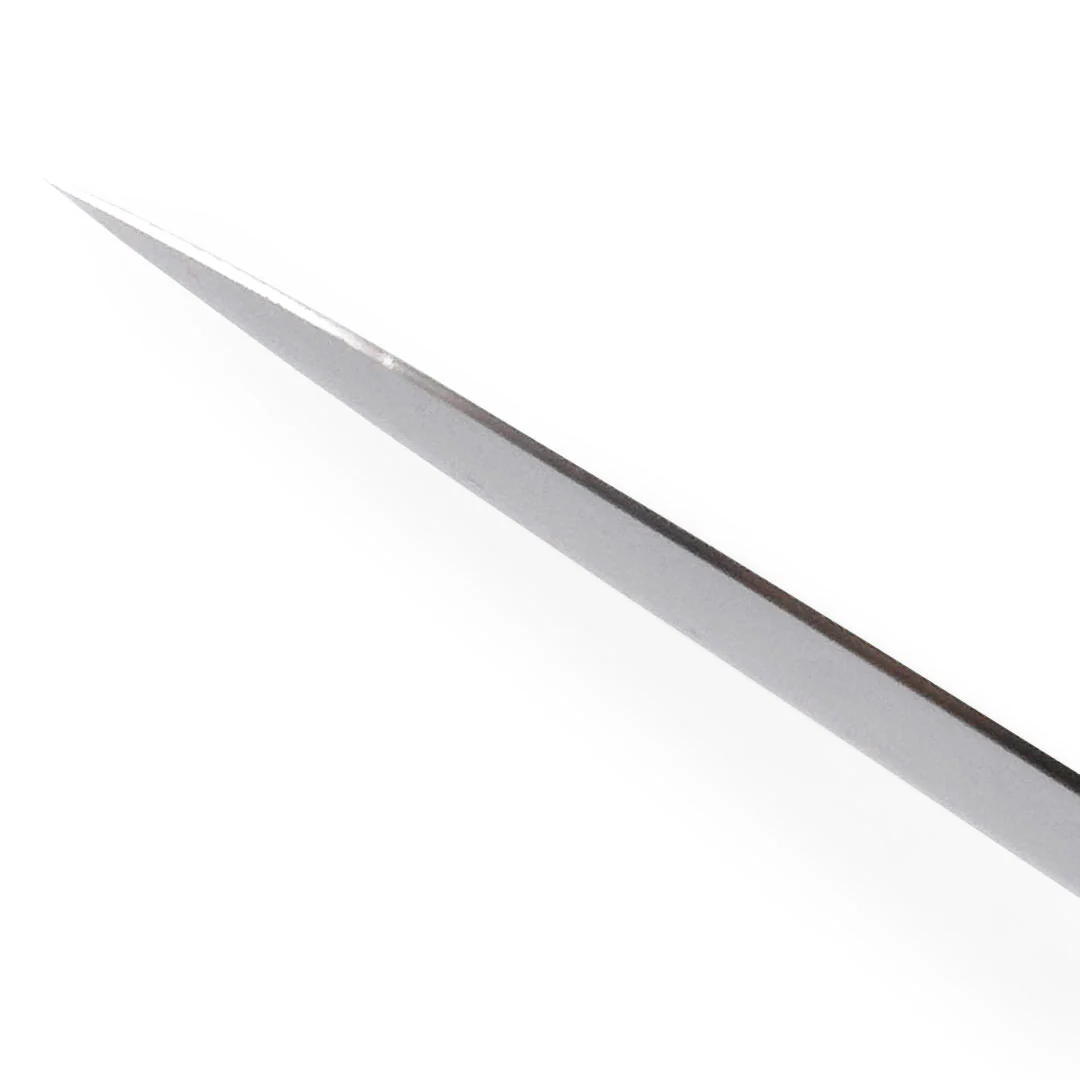
Details & Craftsmanship
Every detail has been carefully considered to bring you the perfect product.
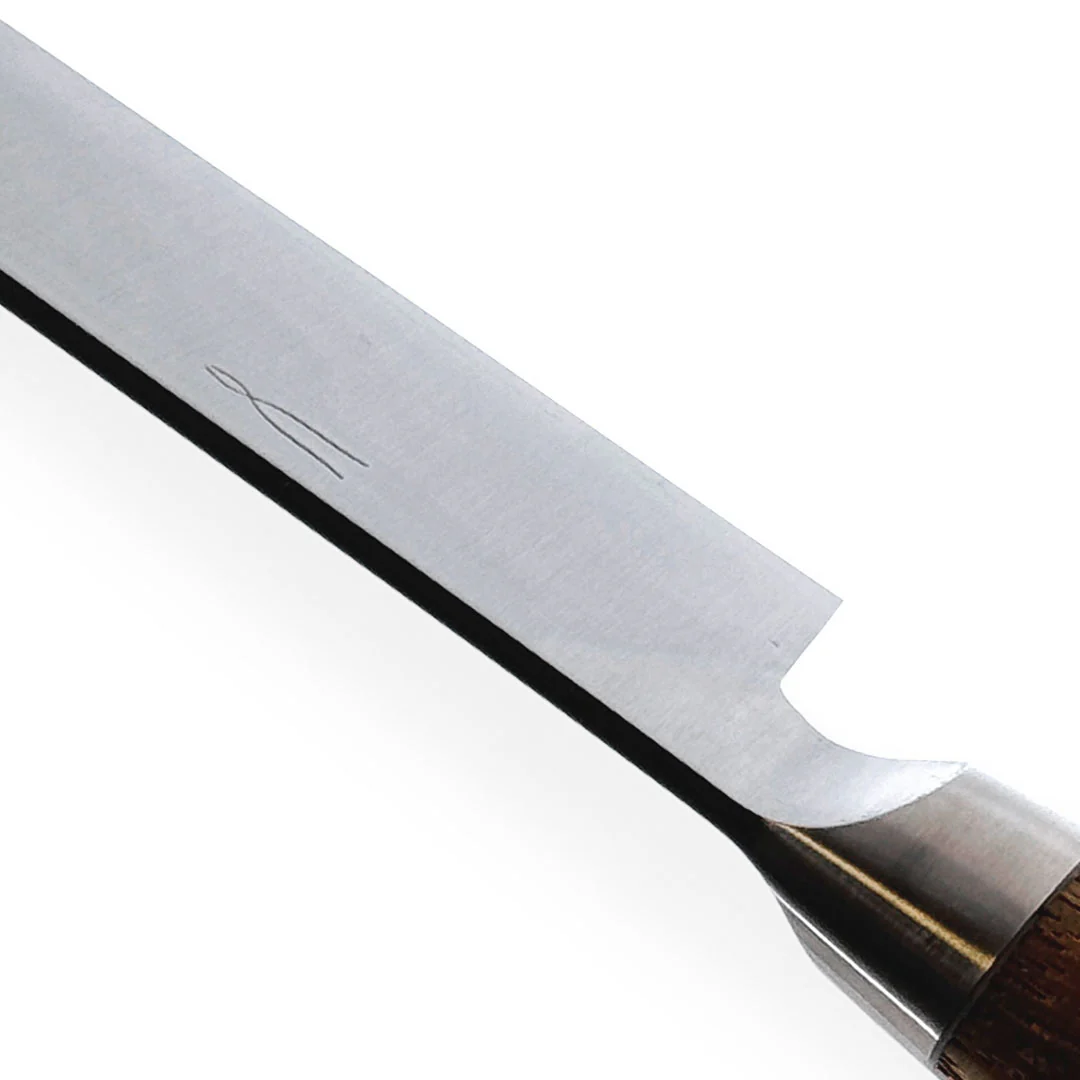
Details & Craftsmanship
Every detail has been carefully considered to bring you the perfect product.
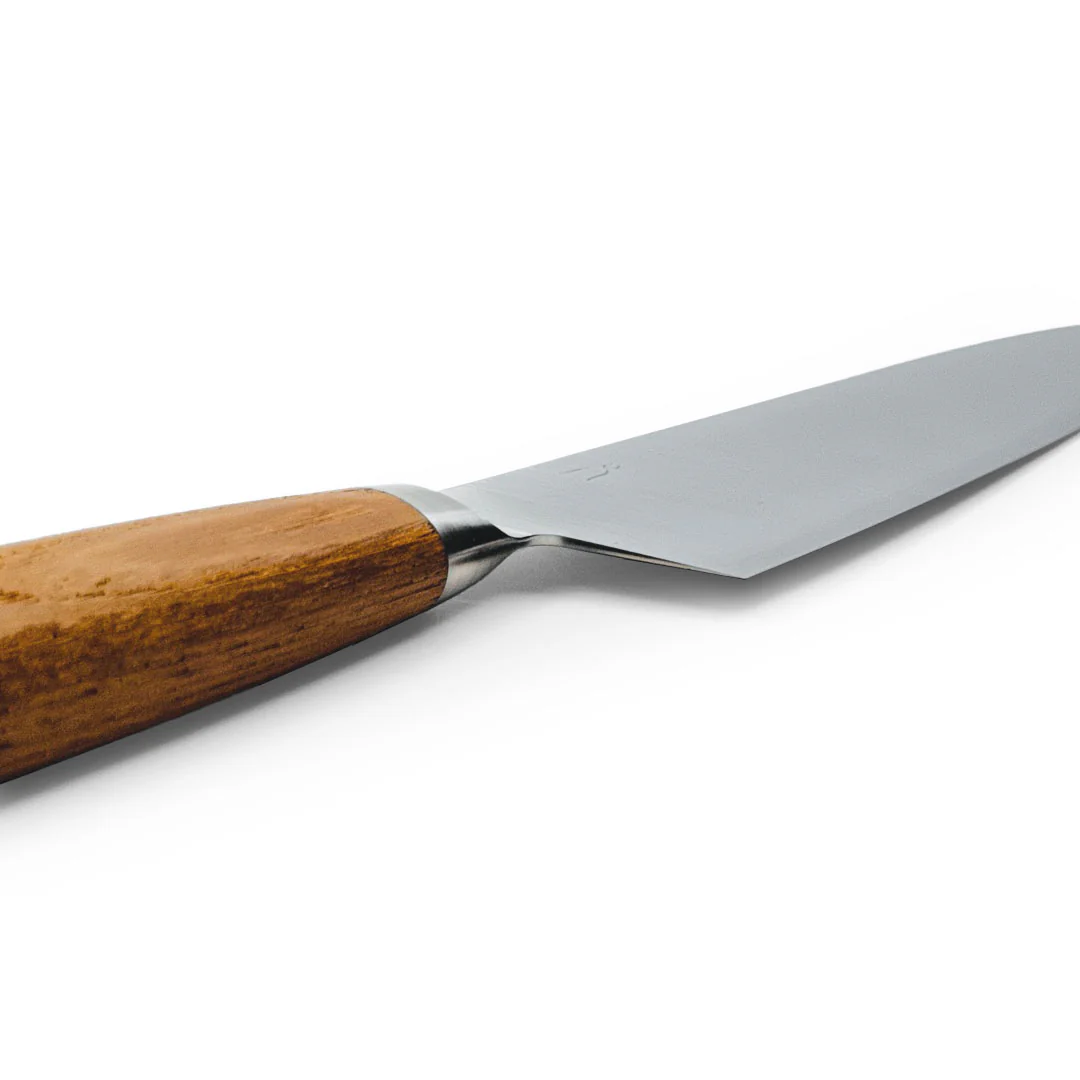
Details & Craftsmanship
Every detail has been carefully considered to bring you the perfect product.
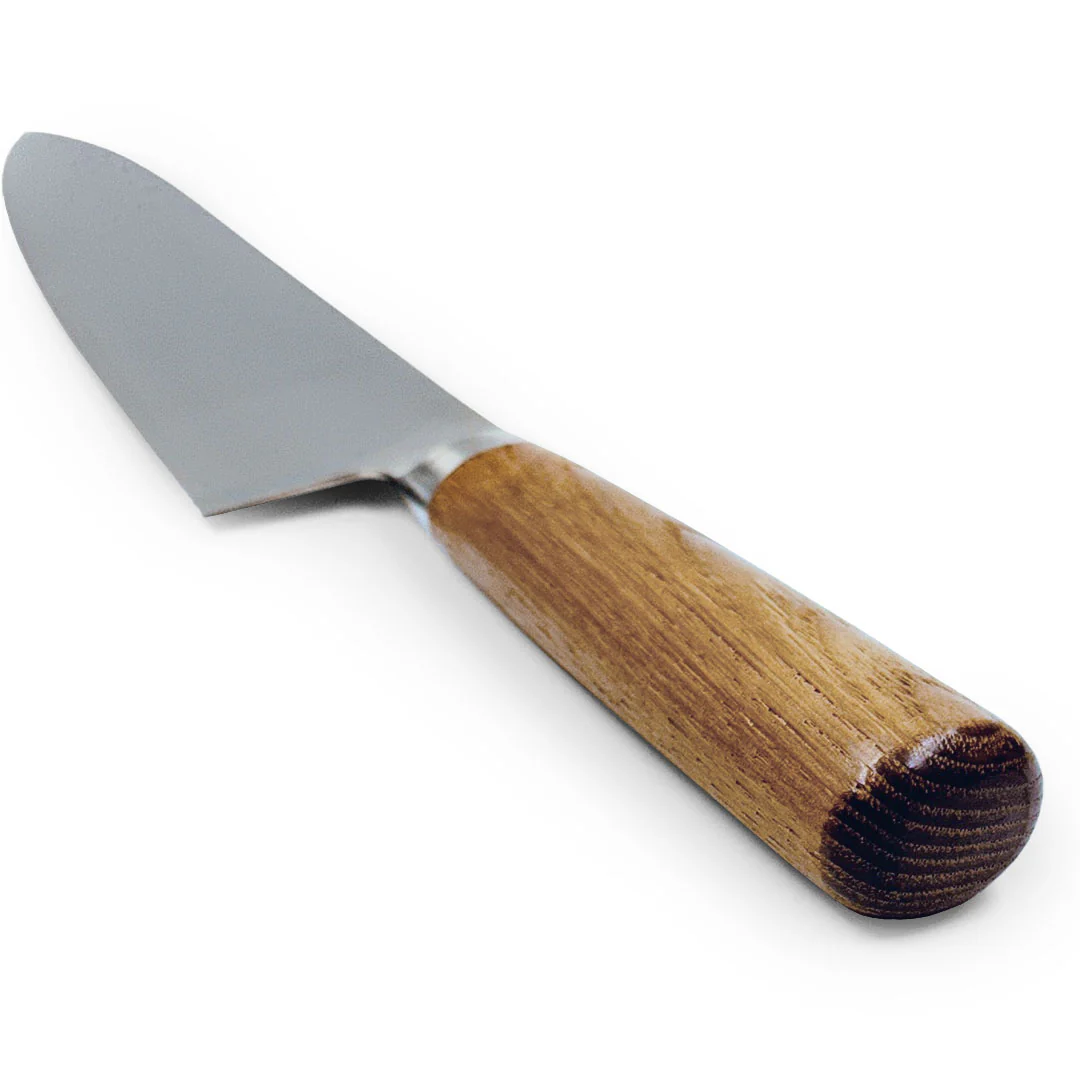
Details & Craftsmanship
Every detail has been carefully considered to bring you the perfect product.
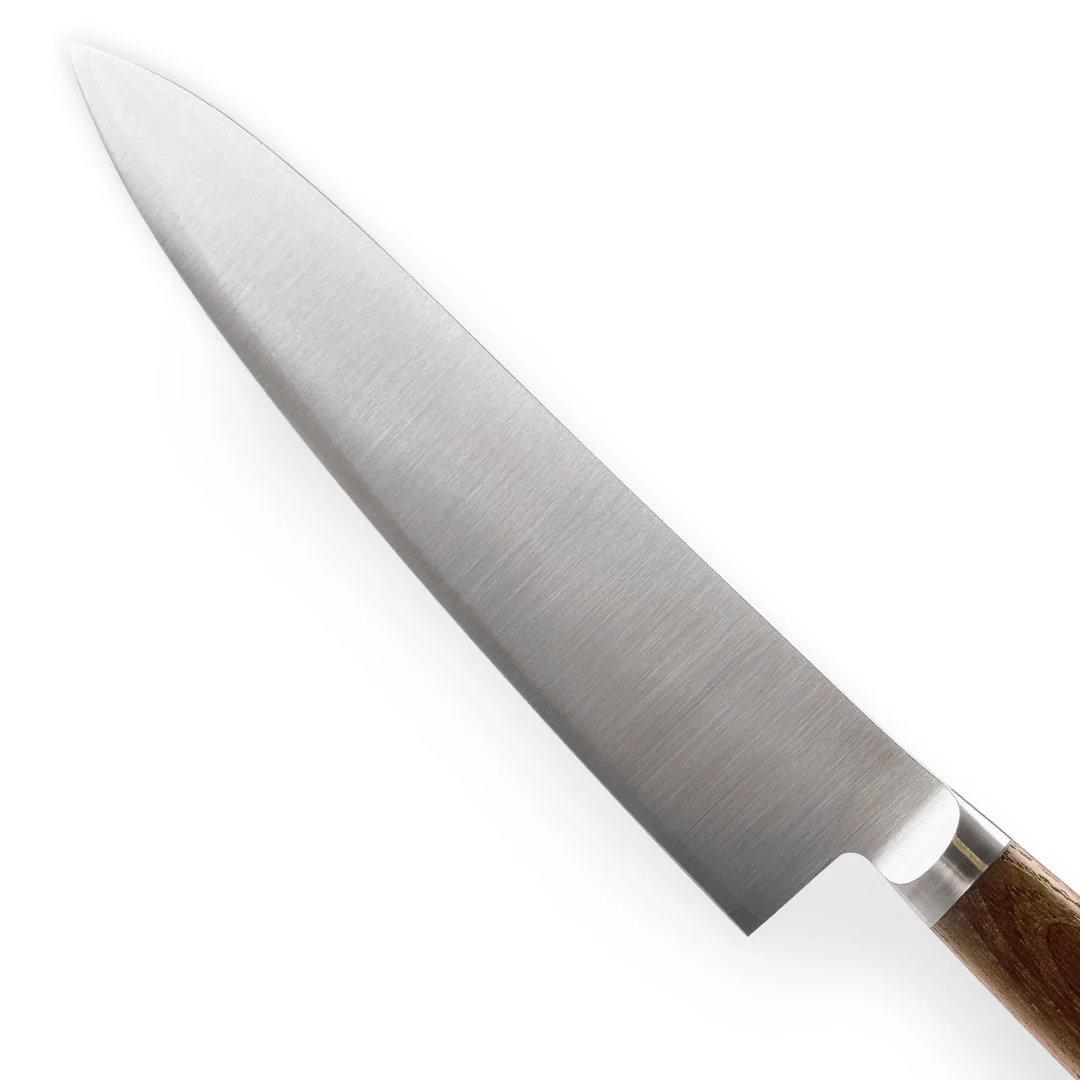
Details & Craftsmanship
Every detail has been carefully considered to bring you the perfect product.
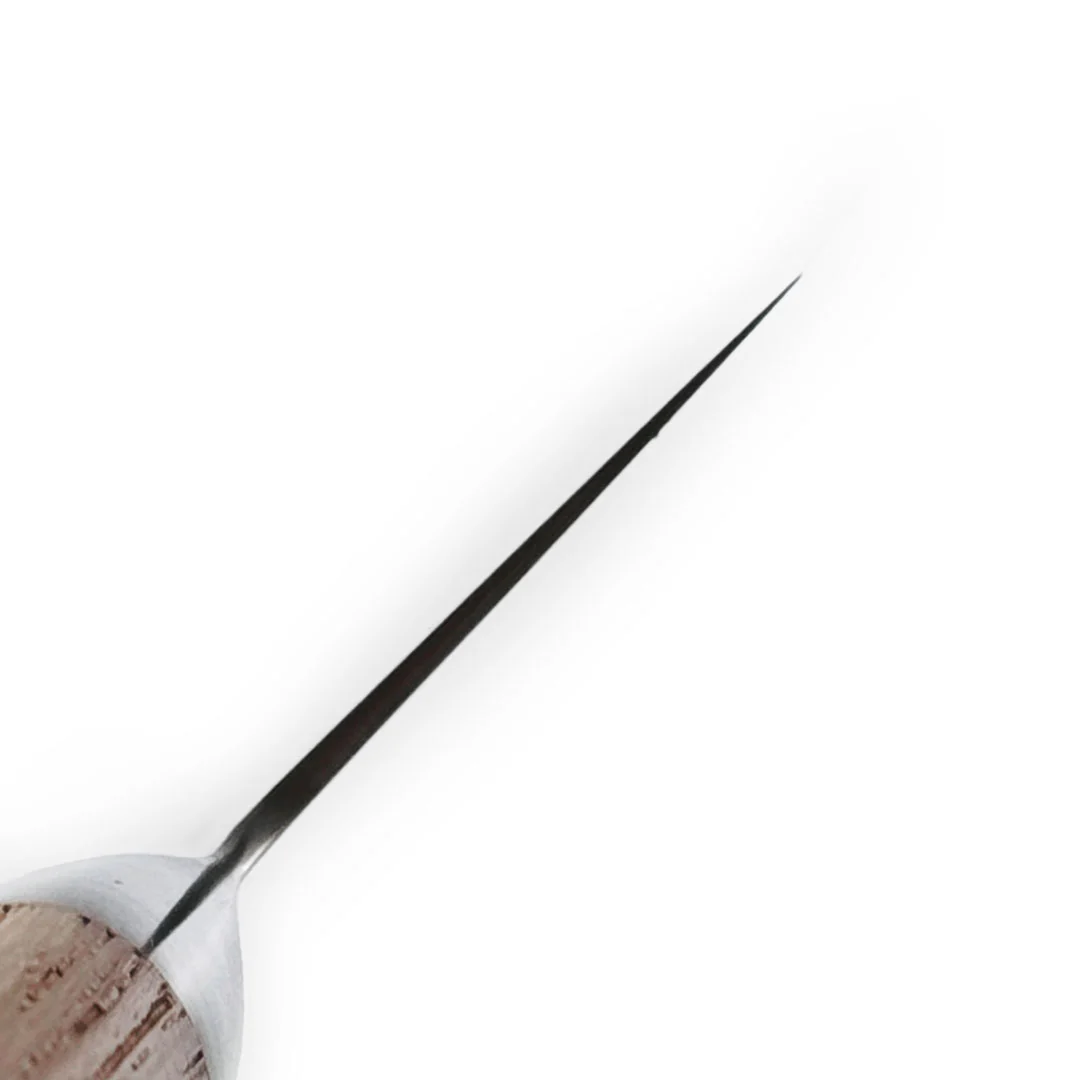
Details & Craftsmanship
Every detail has been carefully considered to bring you the perfect product.
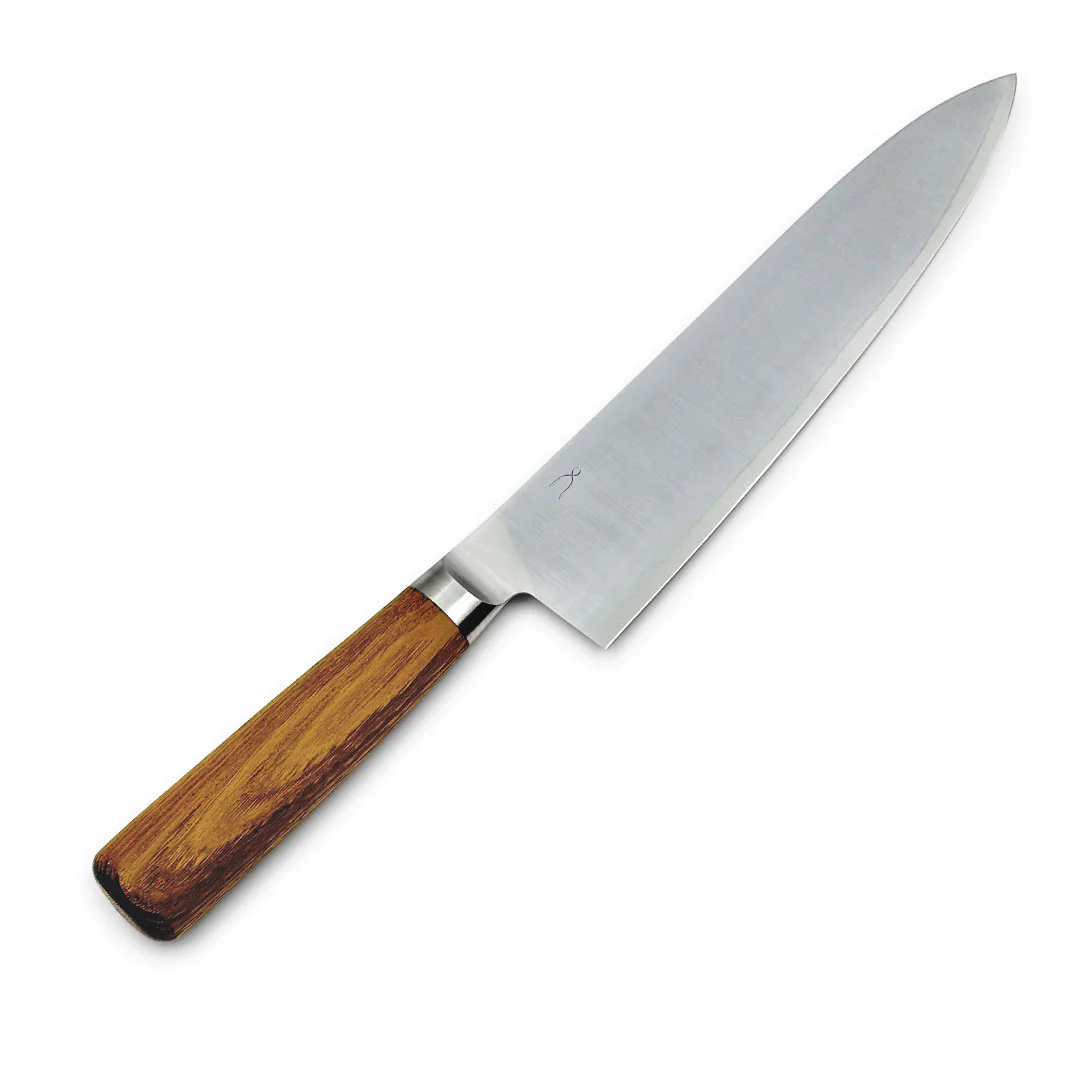
Details & Craftsmanship
Every detail has been carefully considered to bring you the perfect product.
Description
Specifications
- Style: Gyuto (Chef) Knife
- Length: 210mm (8.2")
- Blade Steel Type: SLD Steel and Soft Stainless Steel Clad
- Handle & Bolster Material: Carbonized Chestnuts with Metal ferrule.
- HRC: 60-62
- Bevel Angle Ratio: 50/50
- Cover: Not included
Blade Steel & Handle Material
The blade, made from Hitachi Metals' SLD steel, offers superior wear resistance and fine particle improvement. With 1.6% carbon, 13% chromium, 1% molybdenum, and 0.4% vanadium, it is classified as semi-stainless steel. This material balances durability and ease of sharpening, making it ideal for professional kitchens.
The handle is crafted from antibacterial carbonized wood, using Tadafusa’s patented technology. This material provides a comfortable grip and enhanced hygiene, perfect for kitchen use.
About Tadafusa Hocho Kobo
Sanjo, known as "a town of blacksmiths," is praised for its hardware production in Japan and beyond. Founded in 1948 in Sanjo City, Niigata Prefecture, Tadafusa boasts a rich heritage of craftsmanship and innovation.
The founder, Torasaburo Sone, began Tadafusa by making various knives, including sickles, short swords, and kitchen knives, using traditional forging techniques. Over time, he specialized in fishing and kitchen knives, as well as special knives for Soba.
Today, Tadayuki Sone, the third-generation president, upholds Sanjo's traditions while creating innovative products that reflect Tadafusa's commitment to quality and excellence.
About Gyuto Knife
The Gyuto (lit. Cow Sword) is an adaptation of the French chef knife profile for the Japanese market. While the name cow sword would imply that this knife is meant only for meat, its versatility is the same a Santoku and can be used as a general-purpose knife for any task. Many would consider a Gyuto or chef's knife to be the one essential knife for any kitchen with all other knives being secondary. Compared to a German-style chef's knife, a Gyuto will have a somewhat flatter profile: this profile lends itself well to push-cutting which is common for Japanese chefs, as opposed to rock-chopping. Gyuto also tend to be thinner at the edge as well as the spine than most European chef's knives and as a result, have less lateral toughness, and care should be taken not to torque the blade while cutting to minimize the risk of chipping.